
AI: An Issue of Equity

Top 25 Education Technology Solutions Companies – 2023

With the rapid advancement in technologies, more resources are introduced into the education system, creating an entirely new landscape for teaching and learning. By strategically implementing the latest technology-driven tools in the classrooms, institutions are making learning more accessible and engaging.

According to a report by fortunebusinessinsights.com, the global edtech market size is estimated to peak from $133.55 billion in 2023 to $433.17 billion by 2030 at a CAGR of 18.3 percent between 2023 – 2030.

The developments in AI programs like ChatGPT and virtual realities are making a transformative impact on the education sector. Through AI tools, educators can optimize their time and streamline various tasks like building lesson plans, tests and grading, and providing student feedback. AR and VR technologies are also being increasingly implemented in schools to allow students to immerse themselves in the topics they’re learning about. Similar to AR/VR and microlearning, gamification is rising in popularity, enabling students to participate in fun, exciting, and hands-on activities and boosting engagement.

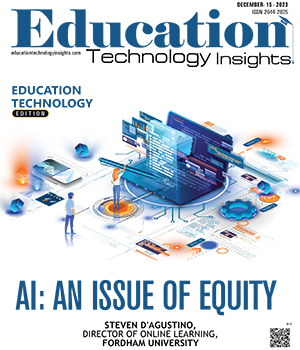
This edition of Educational Technology Insights delivers a bird’s-eye view of the recent developments in the education technology arena and insights into how institutions are aligning with these trends to identify growth opportunities and implement advanced learning models.

We have curated thought leadership articles from industry experts like Ann Mariano, Director of Technology at Framingham Public Schools and Dr. Leif Nelson, Acting Director of Research Computing Services at Boise State University.

We also took a deep dive into market trends to narrow down the list of companies delivering robust education technology solutions. Equipped with innovative technological capabilities, organizations like Fueling Brains help transform businesses at the cloverleaf of various disruptive technologies.

We hope this edition of Education Technology Insights helps you build the partnership you and your organization need to foster an environment driven by efficient technology.

Let us know your thoughts!

    Top Education Technology Solutions Companies

    Fueling Brains specializes in developing the executive function in early childhood that results in individuals who grow up to be fearless, who make conscious decisions, manage their impulses, regulate their emotions, be flexible, quickly adapt to change, remain confident and be happy. Its unique learning approach focuses on how to learn rather than what to learn. ... read full profile
    2BeLive
    2BeLive is a live video platform for virtual training and online classes. It offers professional-grade video and audio quality combined with interactive teaching tools to enhance user engagement and deliver measurable learning outcomes.
    Blocksi
    Blocksi offers a classroom management system designed by teachers for in school and remote learning. It helps teachers monitor student activity on Chromebooks and Windows-OS devices and allows teachers to see what students are doing on their screens in real time.
    CoderZ
    CoderZ is a platform that uses 3D robots and gamified missions to teach kids the basics of coding in a fun and engaging way. The curriculum is designed to help kids develop critical thinking, problem-solving, and collaboration skills. It also offers a variety of resources for parents and educators, including testimonials, case studies, and webinars.
    Content2Classroom
    Content2Classroom is an edtech curriculum platform that helps educational publishers increase revenue, create operational efficiency, and get to market quickly. Their platform includes standards-based design, engagement tools, and robust analytics to support teachers in creating effective and engaging lessons.
    DMAI
    DMAI is an education company that uses cognitive AI to personalize learning for children. Their offerings include an intelligent monitor and edutainment system called AILA Sit & Play, which adapts to the needs of each child. AILA Sit & Play comes preloaded with an Original Series called Animal Island Learning Adventure, which features a robust preschool curriculum.
    Hāpara
    Hāpara Analytics offers objective data on digital adoption, enabling school administrators to assess learner engagement, collaboration, and device usage. The insights extend back to the implementation of Google Workspace for Analytics, providing a comprehensive view of educational technology utilization.
    Harris School Solutions
    Harris School Solutions is a leader in the Education Software industry, renowned for providing the best and most innovative solutions. The company attributes its success to its exceptional team of people.
    iClassPro
    iClassPro stands as the world's leading class management software solution for children's activity centers. With a commitment to qualitydriven software, the company proudly serves thousands of businesses globally, aiding them in operating efficiently, generating more revenue, and ensuring future success.
    iZen ai
    iZen ai, a Talent Empowerment platform company, provides end-to-end solutions for skill development and employability, harnessing the potential of AI and digital technologies. Their focus on talent empowerment and education technology aids schools, businesses, and governments in delivering cutting-edge training in emerging technology areas.

Software and Technologies Info

Q1
What Do Top Software Companies Do?
Top Software Companies build and maintain digital tools that support learning, administration, communication, analytics and student engagement across educational environments. In practice, their work can range from learning platforms and admissions systems to classroom engagement tools, content delivery software and workforce-readiness applications. The Top Software Companies often serve schools, colleges, universities and training organizations that need systems capable of handling large numbers of users, changing curriculum requirements and ongoing reporting needs. Software that works well in a product demo can still create problems later if integrations, support or user adoption fall short.
Q2
Why Do Top Software Companies Matter More Now?
Education organizations are managing more digital interactions than they were a few years ago. Student communication, enrollment workflows, learning delivery and performance tracking increasingly happen through connected software platforms. That shift has increased interest in Top Software Companies that can reduce manual work and help institutions manage information across departments. Many schools and universities are also dealing with staffing constraints, changing learner expectations and growing pressure to show measurable outcomes. A disconnected system can create duplicate data entry, reporting delays and confusion for staff and students alike.
Q3
How Should Organizations Evaluate Software Providers?
A software purchase should be evaluated within the context in which people will actually use it. Decision-makers should look beyond feature lists and test real workflows before making a decision. For example, a university evaluating a platform may want to understand how student records move between systems, how reporting functions during peak enrollment periods and how support requests are managed after implementation. Software vendors should be able to clearly explain integration requirements, data ownership, user training and long-term maintenance expectations. Even small gaps during setup can grow into larger administrative challenges later, particularly when multiple departments rely on the same platform.
Q4
What Value Do Top Software Companies Deliver?
The strongest platforms help institutions spend less time managing fragmented processes and more time supporting learners. That value may appear through faster communication, improved visibility into student progress, better resource management or more consistent reporting. Top Software Companies are often selected because they help reduce friction across multiple workflows rather than solving only one isolated problem. For administrators, that can mean fewer disconnected spreadsheets. For educators, it can mean easier access to information that supports classroom decisions. For students, it often translates into a more consistent digital experience.
Q5
How Are Technology and Innovation Shaping the Software Market?
Artificial intelligence, automation and data-driven decision tools are becoming more common across education software categories. Many platforms now support automated communication, personalized learning pathways, predictive analytics and real-time engagement tracking. At the same time, institutions are paying closer attention to transparency, privacy controls and explainability. A recommendation engine is only useful if staff can understand how it arrived at a result. The software market is also moving toward connected ecosystems that reduce the need for separate tools performing overlapping functions. Most institutions already have reporting tools. The challenge is making systems work together without creating additional complexity.
Q6
What Should Decision-Makers Prioritize When Comparing Top Software Companies?
Organizations comparing Top Software Companies should focus on practical fit rather than broad product claims. The most useful questions often involve implementation timelines, integration requirements, service responsiveness, security controls and long-term product support. Buyers should also look closely at how software performs under everyday conditions, including user onboarding, reporting workloads and system updates. A platform may appear comprehensive during evaluation but become difficult to maintain if documentation is weak or support resources are limited. The best choice is usually the one that aligns with institutional goals, existing systems and the people responsible for using it every day.